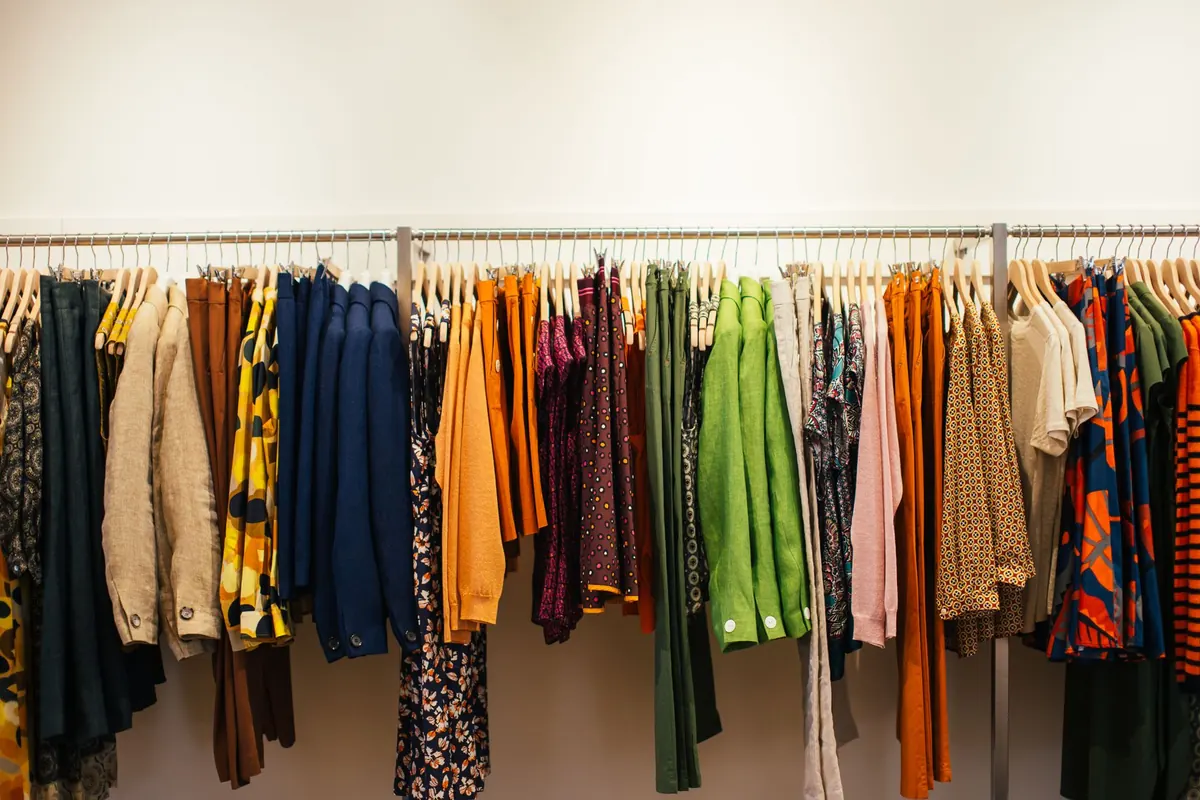
Retro Wardrobe Spring Clean Checklist: What to Keep, Repair and Restyle
Spring has a way of making a crowded wardrobe feel heavier than it should. By March the winter coats have done their work, the knitwear has pilled, and half the rail is stuff you meant to deal with last autumn. A spring clean for a retro wardrobe isn't about clearing things out for the sake of it. It's about separating the pieces that earn their space from the ones you keep because they were hard to find in the first place.
The checklist below works whether you own three vintage pieces or thirty. Set aside an afternoon, make a pot of tea, and work through it in order.
Begin with a try-on, not a tidy-up
Sorting by sight is a trap. Retro pieces hang differently from modern ones, and it's easy to talk yourself into keeping something because it looks good on the hanger. Try everything on instead, in a room with decent light and a full-length mirror.
Wear the underlayers you'd actually wear with the piece — the slip, the vest, the bra you'd reach for on a normal day. Fifties and sixties garments were cut for the foundations of the time, and a structured dress can behave completely differently over modern underwear. Vintage sizing rarely matches the label either, so trust the mirror rather than the number.
As you go, make four piles: keep, repair, restyle and rehome. Photograph the combinations that work. A phone camera is an honest second opinion, and it saves you re-trying an outfit you've already rejected once.
What earns a place in the keep pile
Be strict here, but not punishing. A piece belongs in the keep pile when it fits you now rather than at some hoped-for weight, the fabric is still sound, and you can name at least three outfits it works with. If you can't picture wearing it in the next month, it's probably a repair, restyle or rehome.
The three-outfit test is worth doing properly. A plain seventies suede jacket will pass easily. A novelty print dress might only work with one pair of shoes, which is fine if you wear it and love it — less fine if it lives in a box.
Ask whether the piece suits your actual life, too. A floor-length velvet coat is wonderful; it's less wonderful if your week involves a bicycle and a bus. Keep the things that fit the days you really have.
The repair pile: what's worth mending
Plenty of good vintage gets sidelined over small faults. Before you relegate something, check it against this list:
- Loose or missing buttons — easy to replace, and a chance to swap in something better.
- Dropped hems and split seams — straightforward on most woven fabrics.
- Small moth holes in knitwear — darning can close them invisibly, or as a deliberate contrast darn.
- Worn elbows, cuffs and knees — patches can look intentional if you commit to them.
- Broken zips, hooks and poppers — usually replaceable, though matching vintage hardware takes patience.
- Stretched or perished elastic in waistbands and cuffs — worth fixing on skirts and trousers you love.
Repair makes sense when the cloth around the fault is still strong and the fit is right. It doesn't make sense when the fabric itself is failing: silk that shreds when you tug it, rubber that crumbles, foam padding turned to dust, or a print cracked across the whole garment. No amount of stitching saves perished fabric.
If a piece is delicate, beaded or valuable, take it to a specialist rather than teaching yourself on it. Ask about the cost before work begins, and get an opinion on whether altering it will reduce what it's worth.
Clean and store before it goes back on the rail
Clothes go back on the rail cleaner than they came off it, or they don't go back at all. Moths are drawn to wool and silk carrying traces of sweat, skin oils and food, so the piece that looks fine on the hanger can be the one that invites damage across the whole rail.
- Air knitwear outdoors on a dry, breezy day, in the shade. Direct sun fades older dyes quickly.
- Hand-wash wool and silk in cool water with a pH-neutral detergent, and test for colour bleed on an inside seam first.
- Never wring wool. Press the water out, roll the piece in a towel, then dry it flat and reshape it while damp.
- Skip the tumble dryer for anything elasticated, lined or knitted. Heat is what kills vintage elastic.
- Store folded rather than hung where weight would pull shoulders out of shape, and use breathable cotton bags rather than sealed plastic.
If you're unsure about a fabric, or the piece is lined and structured, dry cleaning is the safer call.
Restyle: small changes, big difference
Restyling is the step people skip, and it's often where a tired piece becomes the one you wear most. Start with the quick wins: swap plastic buttons for horn, wood or vintage glass; remove shoulder pads you don't want; shorten a hem by an inch or two; belt a shapeless dress to give it a waist; pin a brooch at the shoulder rather than the lapel.
Bolder moves are best done by a tailor unless you're confident with a sewing machine:
- Take in the waist and taper the leg on high-waisted trousers.
- Shorten a maxi to a midi, which changes the silhouette completely.
- Turn a long shirt into a boxy cropped one, or a dress into a tunic top.
- Dye a faded piece. Cotton, linen and viscose take dye readily; polyester needs specialist dyes and heat.
- Cover a stubborn stain with embroidery, appliqué or a contrast patch.
Two cautions. Alter from the inside seams so the change can be undone later. And if a piece is genuinely old or collectible, think hard before cutting — a forties jacket taken in is a forties jacket with less value. If you want the look without the risk, style it instead: layer it over a modern dress, wear it open, or add a belt and let the shape do the work.
Passing pieces on
Some things need to leave, and that's fine. Sell what has value, swap with friends, or donate clean, wearable pieces to a charity shop. Anything too worn to wear again — holey jersey, split synthetics, odd socks — can go to textile recycling rather than landfill. Be honest about the pieces you've kept for years without wearing. Holding on to something for a version of yourself who never quite appeared doesn't help anyone, least of all the garment.
Your spring clean, in stages
If a whole afternoon of sorting feels like a lot, split it:
- Pull out everything you haven't worn this year and try it on.
- Sort into keep, repair, restyle and rehome.
- Wash, air and mend everything in the keep pile.
- Book any tailoring in one go, so you're not making separate trips.
- Restyle one piece straight away — it's the quickest reminder of why you kept it.
Then put everything back with a little space between the hangers, so you can actually see what you own. A retro wardrobe that's clean, mended and slightly rearranged is far easier to wear than a bigger one that's a muddle.
Photo: Rachel Claire / Pexels


You Might Also Like
From Gloucester Road's charity-shop trail to Sunday swaps in Southville, here's how to hunt, repair and trade retro fashion finds across Bristol.
A practical guide to the vintage cues — silhouette, fabric, colour and accessories — that make an outfit read retro rather than fancy dress, plus how to style them for everyday wear.