A Vintage Lover's Guide to Retro Shopping in Bristol
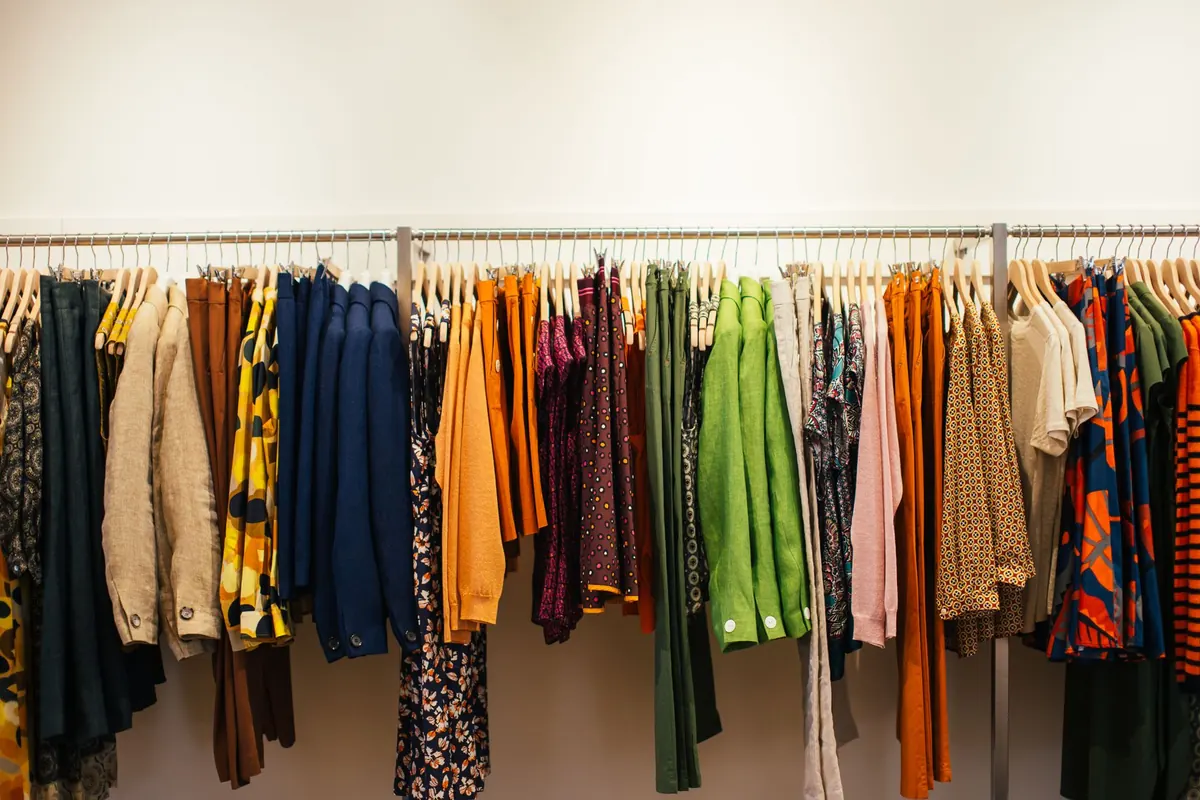
Bristol suits people who dress from the past. The city's independent streak means vintage rails sit alongside charity shops, repair workshops and swap nights rather than being squeezed into one touristy corner. You can spend a Saturday morning mooching through Stokes Croft, find a 1970s wool coat in Bedminster before lunch, and have the sleeves taken up two streets away by teatime. What follows is a practical guide to where to look, what to check before you hand over cash, and how to keep a good find going for another twenty years.
Start with the streets that do the work
Gloucester Road is the obvious first stop, and deservedly so. It runs for the best part of three miles between Horfield and Stokes Croft, and its mix of charity shops, independent vintage sellers and second-hand furniture places means you can cover a lot of ground on one bus fare. The charity shops cluster hardest around the Bishopston end; the curated vintage sits closer to the city centre.
Stokes Croft and the streets running off it, including Jamaica Street and City Road, lean louder and later: 1980s and 1990s pieces, printed shirts, bleach-spattered denim, band tees and army surplus. Park Street and Clifton are more curated and more expensive, but they are where you go for occasion wear, proper tailoring and 1940s to 1960s dresses in wearable condition.
Do not overlook Bedminster. North Street and East Street have a scruffier, less picked-over feel, and the prices reflect it. This is good hunting ground for workwear, utility jackets, sturdy knitwear and children's vintage. Easton and Old Market offer similar value if you are willing to dig.
A note on timing
Shops restock midweek. Saturday afternoon rails have already been through dozens of hands. If you can only go at the weekend, arrive when the doors open rather than after lunch, and ask the staff which day the delivery lands.
Markets, fairs and car boot sales
St Nicholas Market on Corn Street is the best-known option and worth a slow lap, particularly for textiles, jewellery and accessories. The Covered Market runs through the week, with Saturday the busiest day. Across the river, the Tobacco Factory Market in Southville takes over the yard on Sundays and mixes food and craft with occasional vintage stalls, which makes it a decent low-stakes browse.
For cheaper finds, look at the seasonal layer underneath: church hall jumble sales, school fairs and scout hut sales in Bishopston, Redland, Easton and Bedminster. They tend to run in spring and autumn, they are advertised on parish noticeboards and local Facebook groups, and the clothing is usually priced to clear rather than to profit.
Car boot sales on the edge of the city are the other reliable source. Go early, take cash in small notes, and bring your own bags — sellers rarely have spares. A dealer will have been through the best stalls before you arrived, so concentrate on the tables with a jumble of household goods rather than a tidy rail.
What to check before you buy
Vintage shopping rewards a bit of discipline. Run through this list before you commit:
- Fabric. Wool, cotton, linen, silk and good-quality leather age well. Early synthetics can be brittle, so give them a gentle stretch.
- Seams and linings. Turn the garment inside out. Look for re-stitched seams, sagging linings and repairs done in a hurry.
- Zips and fastenings. Metal zips generally point to older pieces, nylon ones to later. Check that every button matches and that the zip runs smoothly the whole way.
- Wear points. Underarms, collars, cuffs, elbows and the seat of trousers go first. Hold the fabric up to a window to spot thin patches.
- Smell. A little mustiness usually washes out. Mildew in padded shoulders or a wool coat's lining rarely does.
- Labels. Care labels and country-of-origin labels tell you a lot about when something was made and how it was sold.
Sizing, fit and the alteration question
Vintage sizing bears little relation to what is on the high street now, so ignore the number on the label entirely. Take a tape measure and note your own key measurements, then measure the garment flat and compare. Better still, compare it against a piece you already own and like the fit of.
Buy for the parts that cannot easily be changed. For a jacket, that means shoulders. For trousers, hips and the rise. Waistbands can usually be taken in or let out by a few centimetres, depending on the seam allowance, and hems and sleeves are straightforward. Structured tailoring is a different job — worth paying a professional. Old leather shoes should be conditioned before you wear them properly, because decades in a wardrobe dry the leather out and it will crack rather than flex.
Repair, darn and resole
Bristol has a decent repair economy if you know where to look. High street cobblers will resole, replace heels and stretch leather. Most dry cleaners offer basic alterations, and a dedicated tailoring shop is the right call for anything with padding or a lining. Repair cafés run regularly across the city, staffed by volunteers who will help you replace a zip, re-stitch a seam or talk through a stubborn problem — the expectation is usually that you sit with them and learn the fix yourself.
A small kit at home covers most emergencies: needles in a few sizes, thread in navy, grey, black and cream, sharp scissors, beeswax and a darning mushroom. Learn a ladder stitch for hems, a backstitch for seams and how to sew a button on with a shank so it sits properly. Moth holes in knitwear can be darned invisibly enough to wear again. For suede, leather and anything valuable, get a professional opinion before you improvise.
Swaps, selling and the community side
Clothes swaps have become a fixture in community centres and church halls around Easton, Bedminster and Horfield. The format is usually simple: bring a set number of clean, wearable items, receive tokens, then spend them on the rail. Quality matters more than quantity — a well-kept wool jacket will move, a faded novelty T-shirt will not. Bring things on hangers, arrive early to help set up, and accept that you may come home with fewer pieces than you brought.
For anything you no longer want, try a local selling group or a car boot before you reach for a courier. It keeps the item in the city, avoids packaging, and you often meet the next owner. Whatever is left can go to a charity shop that is actually trading, and worn-out textiles can go to a textile bank rather than the bin.
Plan a day of it
If you are coming into Bristol specifically to shop, this is an efficient route:
- Arrive early and start at St Nicholas Market, while the stalls are still tidy and the sellers are chatty.
- Walk up Park Street for the curated shops, then cut across to Stokes Croft for denim and prints.
- Take the bus up Gloucester Road, working your way back toward the centre so you finish near a bus stop.
- If it is Sunday, finish at the Tobacco Factory Market in Southville.
Take cash, a tote bag, a tape measure, a phone note of the measurements and gaps in your wardrobe, and shoes you can slip off in a cramped changing room. Set yourself a budget before you start, and remember that the best vintage buys are the ones that fit properly and will survive being worn. Buy less, repair more, and pass things on when you are done. That is the whole point of the hobby, and Bristol makes it unusually easy to do.
Photo: SwastikArora / Pixabay

You Might Also Like
A practical guide to the vintage cues — silhouette, fabric, colour and accessories — that make an outfit read retro rather than fancy dress, plus how to style them for everyday wear.
The long coat and flared jeans pairing can flatten the retro silhouette in a dozen small ways. Here are the common mistakes, and the practical fixes that bring the shape back.